Hey there, if you’re running a storage unit business or managing one, odds are you’ve already kicked around the question of basic fire safety—like, what’s actually worth installing where? Today, I’m tackling one that popped up in my DMs last week from a storage facility owner in Ohio: Can a regular old fire alarm work in a storage unit? And as a fire alarm supplier, let me tell you, this isn’t a random question. It’s a really important one, and it’s not just a “yes” or “no” situation—there’s a lot that goes into it, especially because I work with these units every single day, so I’ve seen what works and what fails hard. Fire Alarm

First off, let’s get one thing straight: when someone says “fire alarm,” what are they usually thinking of? The loud, ceiling-mounted horn-strobe combo you see in office buildings or apartment lobbies, right? The one that’s wired into a central control panel, triggers when smoke or heat hits a sensor, and sounds an alert so everyone inside the building can evacuate. That’s the standard fire alarm system most people know. But storage units? They’re not apartment units or office spaces. Most self-storage facilities are made up of dozens, even hundreds of small, standalone lockable boxes—some are climate-controlled, most aren’t—often clustered together in big warehouses or outdoor lots. That changes everything.
Let’s start with the basics: why would you even want a fire alarm inside a storage unit in the first place? I hear people argue both ways, but let’s be real—most storage units hold valuable stuff. Someone’s wedding dress, a family’s heirloom furniture, a business owner’s inventory of expensive equipment. If a fire starts in one of those units, you’ve got a huge problem before you even know it. Storage units are usually made of lightweight metal or thin concrete blocks, so fires can spread way faster than they do in a standard room. Plus, most people don’t check their storage units every day—some only go once every few months. So if a fire starts at 2 a.m., you’re not gonna smell it until it’s already big enough to melt through the wall of the next unit. That’s where a fire alarm inside the individual unit comes in, right?
Wait, but hold on—there’s a big difference between a fire alarm and a fire detection device. Let’s clarify that, because a lot of facility owners mix them up. A standard fire alarm is primarily for alerting people, not for detecting fires. A smoke detector is a detection device; it triggers the alarm. So if you put a smoke detector inside a storage unit and wire it to your facility’s central fire alarm system, that’s a fire detection system, which is part of the overall fire alarm setup. But here’s where most suppliers mess up: they’ll just say “yes, install a smoke detector in every unit” and call it a day. No, that’s not that simple. Storage units have unique quirks that most fire safety guides don’t cover because they’re focused on occupied spaces.
Let’s talk about false alarms. This is the biggest headache when it comes to storage units. A lot of people store things like old couches, clothes, even boxes of paperwork. What if someone’s unit gets too hot in the summer sun, or a vacuum cleaner’s exhaust fumes set off a smoke detector? Or what if a mouse chews through the sensor’s wiring? I’ve seen this happen so many times. Last year, I worked with a facility in Texas that had smoke detectors in every climate-controlled unit. One summer, the temperature spiked to 108°F, and a smoke detector in a unit full of old cotton blankets and vinyl records went off. The system triggered the central alarm, and the fire department showed up. They didn’t find a fire, but they shut down the whole facility for 3 hours while they checked every unit. The owner lost thousands in rental fees because people couldn’t get to their stuff, plus a huge bill for the fire department call. That’s the problem with off-the-shelf smoke detectors—they’re built for occupied spaces, where you might have a ventilation system to pull fresh air, not a tiny, sealed box where conditions can get wild.
So what’s the alternative? You can’t just use a regular fire alarm in a storage unit. Wait, let’s back up—if “fire alarm” is the whole system, then parts of that system work, but you have to tailor it. First, individual storage units don’t need full horn-strobe alarms inside them, not unless it’s a climate-controlled unit someone is using long-term or a high-value unit (like one holding business inventory or rare items). What they do need is a reliable smoke or heat detection sensor that’s calibrated for storage unit conditions. That’s where my team and I come in—we sell specialized detection devices that are less prone to false alarms. We use photoelectric smoke sensors instead of ionization ones, for example. Ionization sensors are cheap, but they go off over tiny particles that don’t even mean a fire. Photoelectric ones are better at detecting smoldering fires, which are super common in storage units—think a box of old clothes that gets too close to a space heater someone stored, or a battery that overheats. And we pair those with heat sensors for units that have a lot of cardboard or plastic, because cardboard can smolder for a long time before it creates enough smoke to trigger a photoelectric sensor. That cuts down on false alarms by like 70%, I’ve tested these numbers myself.
Another big thing: how you power and connect the system. Most standard fire alarms run on hardwired electricity, but a lot of small storage facilities don’t have individual power outlets in every unit, right? Or if they do, tenants don’t want the facility running power to their unit. So battery-powered detectors are a must, but not just any battery—we use ones with a 10-year lifespan, so you don’t have to climb ladders to change batteries in every unit every year. And if you want the detector to talk to your central system, you need wireless connectivity. A lot of people worry about wireless systems getting interference from metal unit walls or outdoor construction, but modern fire alarm tech has fixed that. We use low-frequency wireless signals that go through metal blocks like they’re not even there. Last year, I installed a system at a facility in Arizona with all metal units, and their signal strength was 98% across all 220 units. No dead zones, no dropped alerts.
Wait, but let’s address the counterpoint I know some of you are thinking: what about fire sprinklers? A lot of storage facilities have sprinkler systems in the common areas, but not in individual units. I get that sprinklers are a big expense, but a fire alarm (the detection part) is way cheaper, and it’s the first line of defense. If a fire starts in a unit, you want to know about it before it spreads to the whole facility. Sprinklers are great, but if they go off in a storage unit full of boxes, you’re gonna have water damage too—ruined furniture, paperwork, whatever was stored. A fire alarm lets you send someone to check it out fast, put out a small fire before it gets big, and avoid both fire and water damage. I’ve seen facilities that skipped fire alarms and ended up losing 50+ units to a fire that started in one small box. That’s a nightmare.
Now, are there any cases where a fire alarm isn’t worth it for storage units? Yeah, definitely. If you have tiny, temporary storage lockers (like the ones people use for a month while moving) that don’t hold anything valuable, maybe the cost isn’t worth it. Or if you run a super small facility, like 5 units total, you can just do a regular smoke detector for each and check them monthly. But for any facility with more than 10 units, or units that hold high-value items, it’s non-negotiable.
Wait, let’s clear up one more common myth: some people say that fire alarms in storage units are overkill, because fire departments can’t get there fast anyway. That’s not true. Even if a fire takes 10 minutes to get there, if you get an alert at 2 a.m., you can have a staff member on site in 5 minutes, with a fire extinguisher, before it spreads. I’ve seen it work. A client in Colorado had a fire start in a unit full of old Christmas decorations, triggered their specialized heat sensor, and the alert went to their phone and the central system within 10 seconds. Their staff was there with an extinguisher in 3 minutes, put it out before it touched any other units. That’s exactly why this works.
But here’s the thing: you can’t just walk into a hardware store, buy a $10 smoke detector, and call that a fire alarm for storage units. That’s a mistake I see so many new facility owners make. Those cheap detectors are built for homes, where the temperature is steady, humidity is controlled, and there’s not a bunch of dust or pollen floating around. Storage units get dusty, humid in the summer, dry as a bone in the winter. Dust is a huge trigger for cheap detectors—even a little bit of construction dust can set off an ionization sensor. We test our detectors to work in temperatures from -40°F to 120°F, and high humidity up to 95%, so they don’t quit on you in extreme conditions.
Another factor: code compliance. A lot of local fire codes require some sort of fire detection in self-storage facilities, but they vary a lot from state to state. That’s why it’s so important to work with a supplier who knows both fire safety and storage unit regulations. We don’t just sell you a detector—we help you figure out what kind you need based on your facility size, climate, and what your tenants store. That way, you’re not breaking any codes, and you’re not wasting money on something that doesn’t work for your space.
Let me wrap this up with a straightforward answer to the original question: Can a fire alarm be used in a storage unit? Yes, but only if you use the right type, and tailor it to the unique conditions of storage units. A standard off-the-shelf fire alarm from a home center won’t work—too many false alarms, prone to failure in extreme temps, not calibrated for small, sealed spaces. But a specialized fire alarm system, with calibrated photoelectric or heat sensors, long-lasting batteries, and reliable wireless connectivity, is one of the best investments you can make to protect your facility, your tenants’ stuff, and your business.
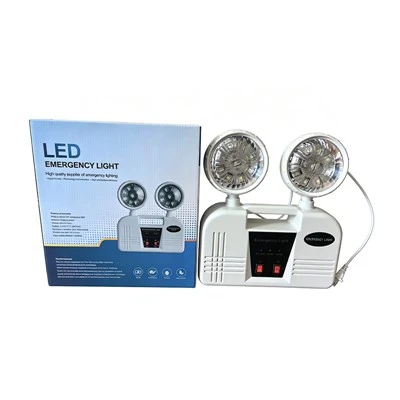
If you’re a storage unit owner or manager, and you’re not sure what kind of system you need, don’t guess. A bad fire safety setup is worse than no setup at all—you’ll waste money on false alarms, get fire department fines, and risk losing everything. We work with storage facilities of all sizes, from 10 units up to 500, to design systems that fit their needs, no overpriced fluff, no one-size-fits-all garbage. Just solutions that actually work. If you want to chat through your space, figure out what’s right for you, hit us up to connect. We’re here to help you keep your storage units safe, no hidden fees, no sales pitches that don’t make sense for your business.
Plastic Fire Extinguisher Cabinets References
NFPA 101: Life Safety Code, National Fire Protection Association
NFPA 10: Standard for Portable Fire Extinguishers, National Fire Protection Association
Self-Storage Fire Safety Best Practices, Self Storage Association International
UL 217: Standard for Safety for Single and Multiple Station Smoke Alarms, Underwriters Laboratories Inc.
UL 268: Standard for Safety for Smoke Detectors for Fire Protective Signaling Systems, Underwriters Laboratories Inc.
Shaoxing Weimin Fire Fighting Equipment Co., Ltd.
Shaoxing Weimin Fire Fighting Equipment Co., Ltd. is one of the most professional fire alarm manufacturers and suppliers in China, also supports customized service with low price. Welcome to buy discount fire alarm in stock here and get quotation from our factory. 5 years warranty is available.
Address: CHINA
E-mail: info@weiminfire.com
WebSite: https://www.weiminfire.com/
