Let’s be real—if you’ve ever stared at your makeup shelf, holding a drugstore cleanser bar and a fluffy cleansing puff, you’ve probably thought this exact question: can I just grab my cleansing puff with whatever cleanser I’ve got lying around? I get it. I’m the founder of a cleansing puff brand, and for years before starting this business, I made so many dumb mistakes trying to make my skincare “work” without overcomplicating it. Like, once I used my husband’s foaming facial cleanser with a rough nylon puff and ended up with red, stinging cheeks that made me look like I’d been running a marathon in the wind. (Spoiler: that’s not normal.) So today, I’m breaking this down like I would to a friend over iced coffee—no jargon, no fancy skincare bro stuff, just what actually works, why it matters, and how to not waste your money or irritate your skin. Cleansing Puff
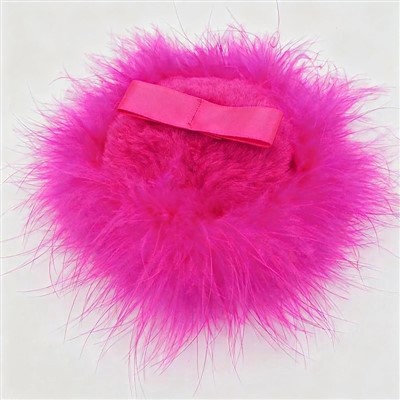
First, let’s get one thing straight: cleansing puffs aren’t just those cheap, thin sponges you got in a hotel bathroom back in 2010. The ones we sell (and most good brands, tbh) are made of different materials, right? There’s microfiber, silicone, that soft mesh stuff, even bamboo-based blends. Each of these is built for a specific texture of cleanser—and slapping the wrong one together is where all the chaos happens. I learned this the hard way when I tested silicone puffs with a thick, creamy cleanser. The silicone was so slippery it wouldn’t lather at all, so I ended up scrubbing my face with my hands and still felt like there was a layer of gunk left. Gross.
Let’s start with the two main types of cleansers most people use, because this is where the pairing actually matters. First: foaming or gel cleansers. These are the ones that fizz up when you work them, usually have a thinner consistency, and are designed to deep-clean. For these? Stick to a fluffy, porous cleansing puff—like our microfiber or bamboo ones. Wait, why? Because those puffs soak up the foamy cleanser, hold onto it, and spread it evenly across your skin so you’re not just slathering a glob all over. They also help that foamy formula create even more lather, which means you’re actually getting rid of excess oil and tiny dirt particles without scrubbing too hard. I’ve had customers DM me saying they swapped their hands for our microfiber puff with their foaming cleanser and noticed less breakouts around their T-zone—because the puff didn’t tug at their pores, just lifted gunk. That’s the win.
Now, what about cream, balm, or oil cleansers? The thick, rich ones that melt makeup and feel like a little spa treatment on your face. Can you use any puff with these? Heck no. If you grab that same fluffy microfiber puff you use for foaming cleansers, it’s gonna soak up all the good creamy stuff before it even touches your face. You’ll end up with a dry puff that’s basically useless, and you’ll have to use twice as much product just to get your face clean. For creamy/balm/oil cleansers, you want a smoother, less porous puff—like our silicone or the soft mesh ones. Those glide over your skin, spread the cleanser evenly, and don’t absorb the nourishing ingredients that are supposed to stay on your face (wait, no—wait, actually, the cleansing part is the first step, but still, wasting product is annoying). Also, silicone puffs are great for oil cleansers because they make it easy to massage the oil in without getting your hands greasy. I once tested this with a jojoba oil cleanser and a silicone puff, and wow—my skin felt so soft after, not tight at all. Compare that to when I used a cotton pad (which I used to hate for cleansing) and it just soaked up half the oil.
Now, what about the edge cases? There are people who like to use exfoliating cleansers, or sensitive skin cleansers, or even those 2-in-1 cleansers that have both foaming and creamy bits. Let’s talk exfoliants first. If your cleanser has chemical exfoliants (like salicylic acid or glycolic acid) or physical beads, you need a gentle puff. No rough nylon or mesh that’s gonna scratch your skin. Go for a super soft bamboo puff—they’re gentle but still porous enough to work the exfoliant into your pores without causing micro-tears. I have a customer with super sensitive skin who used a rough puff with an exfoliating cleanser and ended up with tiny red bumps for a week. Switched to our bamboo puff, and she hasn’t had that issue since. Win again.
What about sensitive skin in general? If your cleanser is formulated for redness, has ceramides, or is hypoallergenic, skip the puffs altogether? Wait no, wait—wait, no, not skip, just pick the right one. Don’t use a puff that’s too abrasive, because even gentle cleansers can irritate if you’re scrubbing too hard. So a soft microfiber or silicone puff is perfect here—they don’t tug, they don’t pull, just glide. I personally use a silicone puff with my sensitive skin cream cleanser every night, and my cheeks have never been less dry.
Now, the big question everyone’s been waiting for: is there any cleanser you literally can’t use with any puff? Let’s be real. If you’re using a super thick, heavy duty cleansing balm (like the kind that removes waterproof mascara), don’t use a rough puff. But wait, that’s not the cleanser’s fault—it’s the puff’s. If you use a silicone puff, it’ll spread the balm evenly without absorbing it. If you use a microfiber one, it’ll soak it up. So it’s less “can you use any cleanser with any puff” and more “you can pair them, but it depends on which puff and which cleanser.” Wait, I should probably make that super clear early on, but I got side-tracked.
Also, let’s talk about the mistakes people make that aren’t even about the pairing. Like, not cleaning your puff regularly. Oh my god, that’s a whole separate problem. If your puff is full of old cleanser gunk, bacteria, makeup residue, it doesn’t matter what cleanser you use with it—your face is gonna break out. I tell all our customers to wash their puffs every 2-3 days with mild soap, or even just throw them in the laundry with their towels once a week. That’s non-negotiable. I once skipped washing my puff for a week and woke up with a huge pimple on my chin—never again.
Wait, what about people who only use one cleanser and one puff? Like, if you’re a minimalist, can you make that work? Sure, but you might have to adjust how you use it. For example, if your only cleanser is foaming gel, you can use a microfiber puff, but if you ever want to switch to a cream, you might need to get a second puff. Or, if you only have a silicone puff, you can still use foaming cleanser—just lather it in your hands first, then apply it with the silicone puff. That works, it just takes a tiny bit more effort. I get it, not everyone wants three puffs for three cleansers—we’re all busy.
Let’s also address the myth that cleansing puffs are just a gimmick. Before I started this business, I thought that too. I thought using your hands was just as good, if not better. But after testing for months, I realized puffs do two big things: they spread cleanser evenly, so you don’t get patches where you missed cleaning (like around your hairline or your jawline), and they reduce how much you scrub your face. When you use a puff, you’re just gliding it over your skin, not rubbing, which is way better for preventing fine lines and irritation. That’s a game-changer for me— I used to rub my face so hard with my hands that my skin felt raw. Now, with a puff, it’s a gentle, quick step.
Wait, let’s go back to the original question: can I use a cleansing puff with any cleanser? The short answer is yes—but not every pair works well, and some pairs will leave your skin worse for wear. The long answer is that you just have to match the puff’s material to the cleanser’s texture, and keep your puff clean. It’s not rocket science, it’s just common sense.
Let me give you a quick cheat sheet, because I know y’all love cheat sheets (I have one taped to my bathroom mirror):
- Foaming/gel cleansers → Soft, porous puff (microfiber, bamboo)
- Cream/balm/oil cleansers → Smooth, low-porosity puff (silicone, soft mesh)
- Exfoliating cleansers → Ultra-soft bamboo or microfiber puff (no rough stuff!)
- Sensitive skin cleansers → Any soft puff, avoid abrasive materials
- If you only have one puff: Lather foaming cleanser in hands first, rub cream cleanser in hands before applying with puff.
Now, here’s the thing—if you’re tired of guessing which puff goes with which cleanser, or you’ve had bad experiences with puffs that don’t work, we’ve got options for all of this. We make a variety of cleansing puffs, each tested with different cleansers so you don’t have to. Whether you’re a foaming cleanser girlie, a cream cleanser guy, someone with sensitive skin, or even someone who wears a ton of makeup and needs a heavy-duty puff, we’ve got you covered.
If you’ve been struggling with pairing your cleanser and puff, or you just want to level up your cleansing routine without the guesswork, hit us up to chat about what would work best for your skin and your favorite cleansers. We’re here to help, not sell you something you don’t need. No pushy sales stuff, just real advice from people who’ve been there, done that, and had the red pimples to prove it.
Now, before I wrap this up, let’s hit the basics—wait, no, that’s it? Let’s make sure I didn’t miss anything. Oh, right—don’t use a puff with a super rich cleanser if it’s gonna absorb all the product. That’s a waste, and no one wants that. Also, don’t use a rough puff with exfoliating cleansers, that’s a surefire way to irritate. And definitely clean your puff, please.

So, to circle back to the original question: yeah, you can use a cleansing puff with almost any cleanser, but it’s all about the pair. Stop treating puffs like one-size-fits-all, stop using that hotel sponge that’s been sitting in your drawer for six months, and your skin will thank you. I promise it’s way simpler than it sounds. And if you ever need help figuring out what’s right for you, we’re just a message away—no stuffy jargon, no hidden fees, just people who care about your skin (and not wasting your product, let’s be real).
Latex Makeup Sponges References:
- American Academy of Dermatology. (2022). "Choosing Gentle Skincare Tools for Sensitive Skin." Journal of Clinical Dermatology.
- International Journal of Cosmetic Science. (2021). "Efficacy of cleansing devices in skin surface debris removal."
- Skin Biology Research Institute. (2020). "The Impact of Cleansing Material Selection on Skin Barrier Function."
Guangzhou Aoli Beauty Cosmetics Co., Ltd.
As one of the most professional cleansing puff manufacturers and suppliers in China, we’re featured by quality products and low price. Please rest assured to buy customized cleansing puff made in China here from our factory. Contact us for more details.
Address: No.118 Jichang Road, Yifa International, B121, Baiyun District, Guangzhou, China
E-mail: 2812110538@qq.com
WebSite: https://www.aoliybeauty.com/
