As a supplier deeply entrenched in the world of CNC (Computer Numerical Control) machinery, I’m often asked about the differences between a CNC lathe and a turning center. In this blog, I’ll delve into their unique features, capabilities, and applications, providing valuable insights for businesses looking to invest in precision machining equipment. CNC Lathe

Fundamental Concepts
At the heart of these machines lies the principle of turning, where a workpiece rotates on its axis while a cutting tool removes material to create the desired shape. Both CNC lathes and turning centers automate this process using computer programming, offering high precision and repeatability. However, their design and functionality diverge in several key aspects.
Structural Design
A traditional CNC lathe typically features a single spindle and a turret that holds multiple cutting tools. The turret can index to bring different tools into position for various machining operations, such as turning, facing, and threading. The layout is relatively straightforward, making it suitable for simple to moderately complex parts.
In contrast, a turning center is a more advanced and versatile machine. It often includes multiple spindles, sub-spindles, and additional axes of motion. The sub-spindle can grip the workpiece from the other end, allowing for back-end machining without the need for manual repositioning. This feature significantly reduces setup time and improves efficiency, especially for parts that require machining on both ends.
Machining Capabilities
CNC lathes are well-suited for producing cylindrical parts with rotational symmetry. They excel at basic turning operations, such as roughing and finishing, and can handle a wide range of materials, including metals, plastics, and composites. With the right tooling and programming, CNC lathes can achieve high levels of accuracy and surface finish.
Turning centers, on the other hand, offer expanded machining capabilities. In addition to the standard turning operations, they can perform milling, drilling, tapping, and other secondary operations in a single setup. This multi-tasking ability allows for the production of more complex parts with reduced lead times and improved part quality. For example, a turning center can create a part with both turned and milled features, eliminating the need for multiple machines and setups.
Automation and Productivity
Automation is a crucial factor in modern manufacturing, and both CNC lathes and turning centers can be equipped with various automation features. CNC lathes can be integrated with bar feeders, which automatically feed bar stock into the machine, allowing for continuous production of small to medium-sized parts. This reduces the need for manual loading and unloading, increasing productivity and reducing labor costs.
Turning centers take automation to the next level. They can be equipped with robotic part handling systems, pallet changers, and tool management systems. These features enable lights-out manufacturing, where the machine can operate unattended for extended periods. The robotic part handling system can load and unload parts, while the pallet changer allows for the quick changeover of workpieces. The tool management system monitors tool life and automatically changes tools when necessary, ensuring consistent part quality.
Control Systems
Both CNC lathes and turning centers rely on advanced control systems to execute machining programs. These control systems are responsible for translating the design specifications into precise movements of the machine axes and the operation of the cutting tools.
CNC lathes typically use standard CNC controls, which are designed specifically for turning operations. These controls are user-friendly and offer a range of features, such as tool compensation, threading cycles, and canned cycles. They allow operators to program and execute simple to moderately complex machining operations with ease.
Turning centers, on the other hand, often require more sophisticated control systems to manage their additional axes and multi-tasking capabilities. These controls offer advanced programming features, such as simultaneous multi-axis machining, live tooling control, and sub-spindle synchronization. They also provide real-time monitoring and diagnostic functions, allowing operators to optimize the machining process and troubleshoot any issues that may arise.
Applications
The choice between a CNC lathe and a turning center depends largely on the specific application requirements. CNC lathes are commonly used in industries such as automotive, aerospace, and general machining for the production of simple to moderately complex parts. They are ideal for high-volume production of cylindrical parts, such as shafts, bushings, and bolts.
Turning centers are better suited for applications that require the production of complex parts with multiple features. They are widely used in industries such as medical device manufacturing, electronics, and precision engineering. For example, turning centers are used to produce medical implants, which require high precision and complex geometries, as well as electronic components, which often have tight tolerances and require multiple machining operations.
Cost Considerations
Cost is an important factor when choosing between a CNC lathe and a turning center. CNC lathes are generally more affordable than turning centers, making them a popular choice for small to medium-sized businesses with budget constraints. They also have lower operating costs, as they require less energy and maintenance.
Turning centers, however, offer a higher return on investment in the long run. Their multi-tasking capabilities and automation features can significantly reduce production times and labor costs, resulting in increased productivity and profitability. While the initial purchase price of a turning center may be higher, the savings in production costs can quickly offset the investment.
Conclusion
In summary, while both CNC lathes and turning centers are used for turning operations, they have distinct differences in terms of design, capabilities, and applications. CNC lathes are simple, cost-effective machines suitable for producing cylindrical parts with basic to moderate complexity. Turning centers, on the other hand, are more advanced and versatile, offering expanded machining capabilities, higher automation, and the ability to produce complex parts in a single setup.
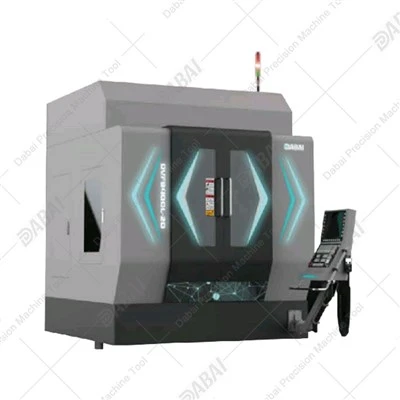
When considering the purchase of a CNC machine for your business, it’s important to carefully evaluate your specific needs, production requirements, and budget. If you’re producing simple cylindrical parts in high volumes, a CNC lathe may be the best choice. However, if you need to produce complex parts with multiple features and require high levels of productivity and efficiency, a turning center may be worth the investment.
5 Axis Machining Center If you’re interested in learning more about our CNC lathes or turning centers, or if you have any questions about which machine is right for your application, please don’t hesitate to contact us. Our team of experts is ready to assist you in making the best decision for your business.
References
- Olsen, D., & Parker, D. (2007). CNC Programming Handbook. Industrial Press.
- Sandvik Coromant. (n.d.). Turning Technology Guide. Retrieved from official print materials.
- Mazak Corporation. (n.d.). Comprehensive Guide to Multi-Tasking Machines. Retrieved from official print resources.
Dabai Precision Machine Tool (Jiangsu) Co., Ltd.
As one of the most professional CNC lathe manufacturers and suppliers in China, we’re featured by quality products and good price. Please rest assured to buy advanced CNC lathe for sale here from our factory. We also accept customized orders.
Address: No. 66-1, Zhenhu North Road, Hudai Town, Binhu District, Wuxi City
E-mail: elaine@dabaicnc.com
WebSite: https://www.cnc-dabai.com/
