As a takeout box supplier who’s spent the last eight years sitting across from restaurant owners, café managers, and even food truck owners watching them make the same mistake over and over, I’ve learned one simple truth: picking the wrong takeout box size doesn’t just ruin a customer’s meal—it can sink your profits. Last month, I worked with a taco shop that was using a medium-sized clamshell for their three-taco combo. Customers would complain the tortillas were splitting because the box was too tight, or there was so much empty space that chips got soggy before they even left the parking lot. After switching to a slightly larger box with a small compartment for chips and salsa, their takeout satisfaction reviews jumped 22% in two weeks, and they cut their food waste by 15% just from better packaging fit. That’s when I knew I needed to write this—because choosing the right takeout box size isn’t rocket science, but it’s a decision that requires paying attention to details most people skip. Food Takeout Box
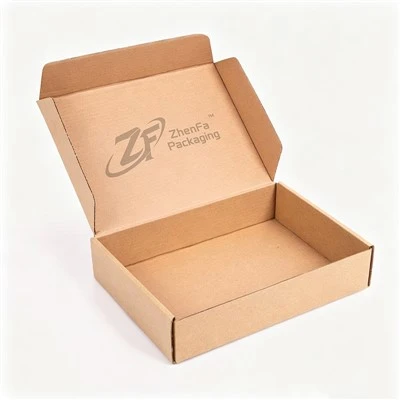
Let’s start with the basics. I see so many new food business owners buying a one-size-fits-all bulk order because it’s cheaper upfront, but that’s like buying a pair of shoes that fit no one just because they’re on sale. Takeout box sizes aren’t arbitrary—they’re designed to hold specific portions, and getting this right means you’re not wasting money on too much packaging (or too little) and you’re keeping your food safe and fresh. When I first started this business, I’d send sample boxes to every new client, and half of them would reply saying, “This is too big” or “This won’t fit my burger.” I quickly realized that the only way to get the right fit is to start with what you’re actually serving, not what you think you should serve.
First, measure every component of your meal—not just the main dish. I had a sandwich shop client a few years back who was using a standard 9×9 inch clamshell for their signature pulled pork sandwich. They kept having customers say the bread was getting crushed, so they switched to a 10×7 inch clamshell that was longer and slightly narrower. The difference? Their sandwich had pickles, coleslaw, and a side of fries tucked next to it, and the extra length didn’t crush the bread, while the narrow fit prevented the fries from sliding around. The key here is to measure your food when it’s fully assembled, exactly as you’d put it in the box for takeout. That means including any sauce containers, sides, garnishes, even paper napkins if you usually tuck them in the bag. A lot of people only measure the main protein, but that’s where mistakes happen. If you’re serving a pasta dish with a side of garlic bread and a small container of parmesan, you need to account for all of that, not just the pasta.
Next, understand the difference between internal dimensions and external dimensions. This is a trick I learned early on from a packaging engineer friend. A box that’s labeled “10×10 inches” might have an external dimension of 10 inches, but the internal space is actually 9.5 inches because of the thickness of the cardboard. If you’re just buying boxes by the labeled size without checking the internal dimensions, you’re going to end up with a box that’s too small for your meal, no matter what the label says. For example, if your burger patty is 4 inches wide and you’ve got a side of onion rings that are 5 inches long, you need a box with at least 5 inches of internal length. I always tell my clients to lay their assembled meal on a flat surface, measure the length, width, and height with a ruler, and then add half an inch to each dimension for wiggle room. Not too much that the food slides, but enough that it doesn’t get squished—especially for delicate items like sushi, cakes, or grilled vegetables that can fall apart if they’re cramped.
Let’s break this down by common food types, because that’s where most people struggle. For starters, if you’re serving burgers, sandwiches, or wraps: go for a box that’s 1-2 inches larger than the maximum width of your main item. If your burger is 4 inches wide, a 5×5 inch internal box works for a single patty. If you add cheese, bacon, and a side of fries, you’ll want a 6×6 or 7×5 inch box to give everything space. For tacos, especially three soft tacos (a super popular combo), a rectangular clamshell with a divider is perfect. I recommend a box that’s at least 8 inches long and 5 inches wide—one divider for two tacos, and a small spot for chips or salsa in the third section. That way, the tacos stay upright, the shells don’t get soggy from sitting in sauce, and everything fits without being cramped.
For hot meals like pasta, stir-fries, or curries: you need to pay close attention to height. If you’re serving a pasta dish with a thick sauce, don’t just measure the width of the plate—consider how much the food will expand when it’s hot, and if you’re adding a side of garlic bread or a bread roll. I worked with an Italian restaurant that was using a shallow 2-inch tall box for their lasagna. The lasagna was 1.5 inches thick, so when they put it in the box, the lid pressed down on the top layer, flattening the cheese. They switched to a 3-inch tall box, which gave the lasagna enough room so the cheese stayed intact, and customers started commenting on how much better the presentation was. For stir-fries, which have lots of mixed veggies that can get mushy if packed too tight, a box that’s slightly larger with a vent is even better—vents let steam escape so the food doesn’t get soggy, which is a game-changer for hot takeout.
For cold items like sushi, salads, or desserts: again, height matters a lot. Sushi rolls can be 1.5-2 inches thick, so you need a box that’s at least 2 inches tall to prevent the lid from squishing the rice. Salads: if you’re dressing the salad separately, you need to account for the dressing container’s size. A standard 2-oz dressing cup is about 2 inches wide and 1 inch tall, so if your salad is 4 inches wide, you’ll need a box that’s at least 5 inches wide to fit both the salad and the dressing cup without smashing the greens. For desserts like cupcakes or cake slices, a box that’s too small will crush the frosting. A standard cupcake needs a box with a slot that’s at least 3 inches wide and 3 inches tall, and if you’re doing a two-pack or six-pack, you’ll need a rectangular box that fits all the individual slots without leaving too much empty space.
Another big factor to consider is portability. How are your customers getting their food home? Are they grabbing it on the way to work, putting it in a backpack, or driving 20 minutes across town? If your takeout requires people to handle it roughly, a slightly sturdier, more snug-fitting box is better—less chance of the food sliding around. If customers are just picking it up and eating it within 10 minutes, you can go with a slightly larger, more flexible box that’s lighter and cheaper. I had a food truck client who sold mostly street food—burritos, elote, small bowls—so they needed boxes that fit in cup holders. We found that a 9×4 inch rectangular clamshell fit perfectly in standard car cup holders, and it was just big enough for their burrito and a small side of chips. They told me that reduced spillage by 40% because customers could set it in their cup holder without worrying about it tipping over. That’s a small detail that makes a huge difference for repeat business.
Don’t forget about cost either—this is a big one for small businesses. It’s tempting to buy the cheapest boxes you can find, but overordering boxes that are too big is a waste of money. If you’re a small café that only sells 50 takeout salads a day, and you buy large 10-inch boxes that hold 8-inch salads, you’re spending 20-30% more per box than you need to. On the flip side, buying boxes that are too small means you might have to throw away partially used meals or deal with customer complaints, which is even more expensive. The sweet spot is ordering a small range of sizes that cover 80% of your menu items, and a few special sizes for your signature dishes. For example, a sandwich shop might use 5×5 boxes for single burgers, 6×6 boxes for double burgers, and 7×5 boxes for combo meals with fries—instead of 10 different sizes for every item. That way, you get the fit you need without overcomplicating your inventory.
I always recommend testing a few sizes before you place a big bulk order. This is something I stress to every new client, and it’s saved them so much headache. Order 10-15 of the sizes you’re considering, assemble your meals exactly as you would for customers, and test them out with a small group of people—either your staff or a few regular customers. Ask them how the food feels, if anything gets smashed, if the box is easy to open, and if there’s too much empty space. I had a pizza client who thought they needed a 12-inch box for their large pizza, but when they tested a 11.5-inch box, it fit perfectly, cut their packaging cost by 10%, and the pizza stayed hot longer because there was less air inside the box. Small tests can lead to big savings.
Also, keep an eye on seasonal menu changes. If you’re a café that serves hot soups in the winter and cold grain bowls in the summer, your box sizes will change too. In the winter, you’ll need taller, deeper boxes for soups that fit a 12-oz container, and maybe a separate box for bread that doesn’t get soggy. In the summer, you can go with smaller, shallower boxes for grain bowls and salads. Don’t make the mistake of using the same box size all year round—your menu changes, and your packaging should too.
A common mistake I see a lot of new business owners make is following what everyone else is doing. Just because the big chain restaurant down the street uses a certain size box doesn’t mean it’s right for your menu. Their portion sizes are probably different, their food is different, and their customers’ needs are different. For example, a fast-food burger chain might use a standard box for consistency, but a gourmet burger shop with custom toppings and sides needs a box that fits those specific items. My biggest advice is to measure your own food, not what you see others using. That’s the only way to get a fit that works for you.
Now, if you’re a business owner reading this and thinking, “Okay, that makes sense, but I still don’t know where to start,” let’s talk about next steps. The good news is that you don’t have to figure this out alone. As a takeout box supplier, I’ve worked with hundreds of businesses of all sizes, from food trucks to fine dining restaurants, and I can help you sort through the options. Whether you need a custom size for your signature dish, vented boxes for hot stir-fries, or compostable boxes that fit your eco-friendly menu, I can provide samples, help you measure your meals, and find sizes that work for your menu, your customers, and your budget.
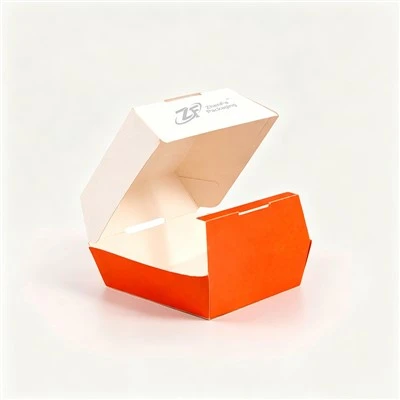
If you’re ready to stop dealing with soggy food, crushed meals, and wasted packaging, reach out to discuss your takeout box needs. We’ll work with you to find the perfect sizes, answer any questions you have, and make the process simple and stress-free.
Folding Carton References:
- Food Service Packaging Association. (2022). Best Practices for Selecting Takeout Packaging Dimensions and Sizes.
- Journal of Foodservice Business Research. (2021). The Impact of Packaging Fit on Takeout Customer Satisfaction and Food Waste.
- National Restaurant Association. (2023). Small Business Guide to Reducing Food and Packaging Waste in Takeout Operations.
Wenzhou Zhenfa Packaging Co., Ltd.
As one of the most professional food takeout box manufacturers and suppliers in China, we have world-leading production equipment and strong manufacturing capabilities. Please feel free to wholesale bulk advanced food takeout box in stock here from our factory. Also, quotation is available.
Address: Room 105, Building 10, Century Science and Technology Entrepreneurship Park, Longgang City, Wenzhou City, Zhejiang Province
E-mail: ZhenfaPackaging@outlook.com
WebSite: https://www.cnzhenfa.com/
