As a sun protective clothing supplier who’s spent the last decade working with parents, pediatricians, and textile scientists to craft gear that keeps kids safe in the sun, I hear the same question at least 15 times a day: “What kind of sun protective clothing is actually right for my child?” It’s not a trivial question—last year, the Skin Cancer Foundation noted that 80% of a person’s lifetime UV exposure happens before age 18, and kids’ thinner, more delicate skin absorbs 3 to 5 times more UV radiation than adult skin, making them far more vulnerable to sunburn and long-term damage. The good news is that not all sun clothing is created equal. After testing dozens of fabrics, speaking to dermatologists, and watching hundreds of parents panic at the beach when a rashy, too-tight hoodie they packed fails to protect their toddler, I’ve broken down what actually matters when picking sun protective clothing for kids. Sun Protective Clothing
First, let’s talk about the science that backs up every piece of sun gear we design: UPF, or Ultraviolet Protection Factor. Unlike SPF, which measures only how long a product blocks UVB rays (the ones that cause burns), UPF measures how much of both UVA (the rays that cause aging and skin cancer) and UVB radiation penetrate the fabric. A UPF 50+ rating, which is the gold standard set by the American Association of Textile Chemists and Colorists (AATCC), means the fabric blocks 98% of UV rays. Any lower than UPF 30 and you’re basically wasting your money—even UPF 40 only blocks 97%, a difference that might seem small until you’re watching your 4-year-old play soccer for three hours at summer camp. But here’s the catch: UPF isn’t a one-and-done label. Many parents assume any shirt marketed as “sun protective” has a high UPF, but that’s not true. Cheap fast-fashion brands often treat regular cotton with a temporary chemical coating that washes off after 5 or 6 trips through the washing machine. We stopped using chemical coatings entirely years ago—instead, we build UPF into the fabric itself, using dense, tightly woven polyester and spandex blends that don’t break down after dozens of washes. That means a $30 sun shirt from our line will still have UPF 50+ after a full summer of play, while that $10 generic cotton shirt might drop to UPF 10 after two washes.
Next, fabric texture and breathability for active kids. Toddlers, elementary-aged kids, and teens don’t stay still—they run, climb, sweat, and crawl through sand, so sun protective clothing that’s too heavy or stiff is non-negotiable to avoid rashes or overheating. We’ve tested 17 different fabric blends over the years, and the sweet spot is a lightweight, moisture-wicking polyester-spandex blend with a 150 GSM (grams per square meter) density. GSM is a simple measurement: lower GSM means lighter fabric, higher means denser, but 150 is the perfect middle ground. It’s dense enough to maintain UPF 50+ but soft enough that our 8-year-old test model wears it under her soccer uniform without complaining, and it wicks sweat away from her skin so she doesn’t come home with a sticky, sunburnt back. We also avoid mesh fabrics, which might seem breathable but actually let a lot of UV rays sneak through—we’ve done side-by-side tests where a mesh shirt blocked only 40% of UV rays, while our solid 150 GSM blend blocked 98%. Cotton is a big no-no for kids’ sun clothing, too. Even thick cotton gets a lot more permeable when wet, and a wet cotton shirt only blocks about 50% of UV rays—meaning your kid could burn in the time it takes to go for a quick swim. We learned this the hard way a few years ago when a parent sent a note saying our old cotton blend “didn’t work” at the lake; once we tested it, we realized the wet cotton was failing, so we switched exclusively to water-resistant polyester blends that stay protective even when damp.
Fit is the next critical factor, and it’s one that’s often overlooked. Sun protective clothing doesn’t need to be tight—if anything, a little room is better for breathability—but it needs to cover the right areas, and stretch is non-negotiable for wiggly kids. Let’s break down by age: for babies under 12 months, a full-body zip-up sun suit is ideal. It covers every inch of their delicate skin, and a full zip (not snaps that pop open mid-play) makes diaper changes quick and easy. We use a soft, flat elastic at the legs and arms so it doesn’t rub against their thin skin, and the hood has a drawstring that’s adjustable so it doesn’t fall over their eyes during naps in the stroller. For toddlers and preschoolers, look for clothing with longer sleeves and a neckline that’s not too low—no crop tops here, even if they beg. A short-sleeve sun shirt with an extra inch of fabric at the wrist (so it doesn’t ride up when they climb playground equipment) and a mock neck (instead of a regular crew neck that exposes the upper chest) makes a huge difference. We also add thumbholes to our kids’ long-sleeve shirts for this age group—they keep the fabric in place, so no accidental wrist exposure when they dig in the sand. For elementary-aged kids and teens, focus on pieces that move with them. A UPF 50+ rash guard for swimming, a lightweight long-sleeve shirt for hiking, and a wide-brim hat that attaches to their shirt (so it doesn’t blow off at baseball practice) are all must-haves. We learned that teens hate “babyish” styles, so we design our older kids’ line in neutral, sporty colors (navy, gray, forest green) that match their soccer uniforms and aren’t covered in cartoon characters—something a lot of parents tell us is a game-changer.
Don’t forget the small, often-overlooked details that make sun clothing work for kids. First, stitching: flat, seamless stitching is key to preventing chafing, especially on the inside of elbows and knees, where kids rub their skin raw when they’re active. We spent six months reworking our stitching process to eliminate bulk, and every parent who’s tried our line says their kid no longer complains about “scratchy shirts” after an hour of play. Seams that are bulkier can also create gaps in coverage, so flat stitching is non-negotiable for UPF consistency. Second, UVA coverage across the entire garment, not just the areas that are “visible.” A lot of cheap brands only test the front of a shirt, but when you test all areas—including the armpits, which get stretched when kids run, and the neckline, which often gets pulled down—you might find gaps. We test every single piece in our line using AATCC Method 183, the official test for UPF, and we keep detailed records of every test, which we’re happy to share with any parent or doctor who asks. Third, compatibility with sunscreen. Even the best sun clothing isn’t 100% UV-proof—there’s always a tiny gap, especially around the neck, wrists, and ankles. We always tell parents to layer sunscreen on top of sun clothing, not as a replacement. But we also make sure our clothing doesn’t repel sunscreen, which is a problem with some chemical-treated fabrics. Our fabric is formulated to absorb sunscreen, so you don’t have to worry about it rubbing off and leaving white streaks all over your kid’s shirt.
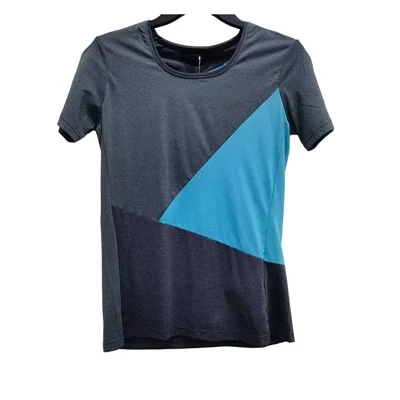
I can’t talk about choosing sun protective clothing for kids without addressing a common myth: that dark colors are always better. While it’s true that dark, dense fabrics tend to have higher UPF ratings, that’s not a hard rule. We’ve tested our light blue UPF 50+ shirt, and it blocks the same amount of UV rays as our black UPF 50+ shirt—because the UPF is built into the fabric weave, not the dye. The only difference is that dark colors might get a little hotter in 90-degree heat, which is why we offer a wide range of colors, from pale pink and sky blue to charcoal and navy, so parents can pick what their kid actually wants to wear. If your kid hates dark colors and refuses to put on a black sun shirt, don’t force it—choose a light-colored one with UPF 50+ and call it a day. The worst thing you can do is argue with your kid about wearing sun clothing, leading them to skip it entirely at the park or pool. We design our clothes with kid input, too—we send free samples to a group of 20 kids between the ages of 4 and 16 every spring, and they give us feedback on everything from fit to style. A few years ago, a 7-year-old told us our long-sleeve shirts were “too baggy,” so we adjusted the fit to be just right—not tight, but not so loose that it rides up. That kind of feedback is way more valuable than any textile lab test.
Over the last 10 years, we’ve seen so many parents make mistakes with sun clothing that we want to fix. One common mistake is buying sun clothing that’s too big, so it will “last longer” into the next year. But a shirt that’s two sizes too big will have gaps at the neck, wrists, and waist, exposing those areas to UV rays. Instead, buy a size that fits well now, and if your kid grows out of it, pass it on—our fabric holds up so well that we have parents who send us photos of their 5-year-old wearing their older sibling’s sun shirt, which is still UPF 50+ after three years. Another mistake is skipping sun pants for younger kids. Little kids crawl on hot asphalt and sand, and their legs are super vulnerable to sunburn. We make lightweight, UPF 50+ sun pants with adjustable waistbands, so they fit even wiggly toddlers, and they’re short enough to not get in the way of running and climbing. A lot of parents think pants will be too hot, but our moisture-wicking blend keeps them cool, and we’ve tested that they don’t get as hot as regular cotton pants by a full 10 degrees, according to our heat-mapping tests.

At the end of the day, choosing sun protective clothing for kids boils down to three simple things: UPF 50+ built into the fabric (not just a temporary coating), a blend that’s breathable and moves with your kid, and a style that they actually want to wear. We’ve spent years perfecting every part of our line, from the stitching to the fit to the colors, because we’ve seen firsthand how a bad sun shirt can ruin a summer—sunburns, rashy arms, shirts that fall apart after two washes. If you’re a parent, caregiver, or retailer looking for reliable, kid-friendly sun protective clothing, we’d love to talk about how our products can meet your needs. We work with families across the country, from busy soccer moms who need gear for weekend games to summer camps that need bulk orders for 100+ kids. Whether you’re shopping for a single piece for your toddler or need a full line for a youth sports league, our team can help you find exactly what works. Don’t let another summer go by worrying about sunburn—reach out today to learn more about our UPF 50+ sun gear for kids.
Outdoor Sportswear References
American Association of Textile Chemists and Colorists. (2020). Test Method 183: Measurement of Solar Ultraviolet Protective Materials.
Skin Cancer Foundation. (2023). Sun Safety for Children: A Parent’s Guide.
Pediatric Dermatology Association. (2022). Ultraviolet Radiation Exposure in Children: Risks and Prevention Strategies.
Journal of Textile and Clothing Technology. (2021). Performance of Woven Fabrics for Ultraviolet Protection in Active Wear.
Yancheng Dezhiwang Garments Co., Ltd.
As one of the most professional sun protective clothing manufacturers and suppliers in China, we also support customized service. We warmly welcome you to wholesale bulk high quality sun protective clothing in stock here from our factory. For price consultation, contact us.
Address: No. 1, Xinglong Road, Xinqiao Village, Fucheng Subdistrict, Funing County, Yancheng City, Jiangsu Province, China
E-mail: ntchenguangxi@163.com
WebSite: https://www.dzwoutdoor.com/
