If you’ve ever stepped into a farm equipment dealership or browsed our Farm Tractor Attachments catalog, you’ve likely seen rotary cutter attachments sitting right next to box blades, tillers, and post hole diggers. For small hobby farmers and large commercial operations alike, this tool has become a go-to for managing overgrown brush, mowing fields, and clearing fence lines— but it’s not a one-size-fits-all solution. As a supplier who’s worked with hundreds of farmers over the past decade, I’ve seen firsthand how a rotary cutter attachment can transform a property… and also how it can turn into a costly headache if you don’t match it to your needs. Today, I’m breaking down the pros and cons of using a rotary cutter attachment, straight from the people who use them every day. Farm Tractor Attachments

Let’s start with the pros, because that’s why so many farmers swear by their rotary cutters. First and foremost, versatility is the big one. Unlike a standard lawn mower that only handles short, even grass, a rotary cutter (sometimes called a brush hog) can power through thick, woody vegetation up to 2 or 3 inches in diameter—think small saplings, blackberry bushes, and overgrown fence line weeds. We’ve sold cutters to hobby farmers who use them to clear a new pasture for goats, to ranchers who maintain miles of perimeter fence, and even to municipal road crews who keep right-of-ways clear. One customer told me last year he used his rotary cutter to clear a stand of 4-foot-tall weeds and brush behind his barn in a single afternoon, a job that would have taken him three days with a hand mower and loppers. That time savings is a game-changer for anyone with limited daylight during farm season.
Another pro is adaptability to different tractor sizes and terrain. Rotary cutters come in a range of widths and horsepower requirements, so we can match a 3-foot model to a 20-horsepower compact tractor for small hobby plots, and a 10-foot model to a 100-horsepower utility tractor for large commercial fields. They also work on uneven ground—rocky pastures, sloped hillsides, and ditches that would trip up a traditional finishing mower. Because the cutter blades spin independently on a horizontal axle, they can move around small obstacles like rocks or stumps without damaging the attachment, as long as the obstacles aren’t too large. That durability is a huge win; unlike a flail mower that tends to break when it hits a solid object, rotary cutters are built to absorb minor impacts, making them ideal for rough farm terrain.
Cost-effectiveness is another major pro. When you compare a rotary cutter attachment to hiring a professional land-clearing service, the math adds up fast. The average professional charges $100 to $150 per acre for brush mowing, which means a 10-acre pasture would cost $1,000 to $1,500 each time you clear it. If you own a rotary cutter, you only pay for fuel and occasional blade replacements (which cost $20 to $50 per blade) instead of those steep service fees. We also see farmers use rotary cutters for more than just mowing—some use them to create firebreaks around their property, others to maintain access trails through wooded areas, and even to chop crop residue after harvest to improve soil health. That multi-use functionality means you’re getting more value out of your investment in a Farm Tractor Attachment.
Now, for the cons, because no tool is perfect. The biggest downside for many users is that rotary cutters aren’t designed for fine, even mowing. If you try to use a rotary cutter to maintain a manicured lawn or a small vegetable patch, you’ll end up with an uneven cut, scattered debris, and possibly damaged plants. The blades spin fast to cut through thick brush, so they can tear plant material instead of cleanly slicing it, which can leave your grass looking ragged and prone to disease. One customer told me he wasted a full afternoon trying to mow his backyard with a rotary cutter, only to have to reseed half the lawn because the torn grass blades turned brown within a week. For that reason, rotary cutters are strictly for rough, high-stakes mowing—not for ornamental or small-scale growing areas.
Another con is maintenance and operating risks that come with using a high-speed, heavy-duty attachment. Rotary cutter blades spin at 2,000 to 3,000 RPM, which is fast enough to throw debris like rocks, twigs, and broken branches up to 100 feet. That means you have to take extra safety precautions: wear eye protection, stay at least 50 feet away from bystanders, and never mow near livestock or pets, which could get hit by flying debris. On the maintenance side, rotary cutters require regular sharpening and blade replacement to work effectively. Dull blades will tear vegetation instead of cutting it, which can stress plants and leave more debris behind. They also need regular grease checks, belt replacements, and inspections for bent blades after every use—especially if you’re mowing rocky or woody terrain. One rule of thumb we tell our customers: if you’re spending more than an hour mowing, schedule 30 minutes of post-use maintenance to keep your cutter in good shape.
There’s also the issue of weight and tractor compatibility, especially for compact tractors. A 6-foot rotary cutter can weigh 500 to 800 pounds, which adds a lot of weight to the back of your tractor. If you have a small 25-horsepower tractor, putting a heavy cutter on the back can throw off the tractor’s balance, making it harder to control on slopes or soft ground. We’ve seen customers try to pair a too-large cutter with a too-small tractor, which leads to slow mowing, increased fuel use, and even safety risks like the tractor tipping backward. It’s critical to match your cutter’s horsepower and weight rating to your tractor’s specifications—something we always help customers with when they shop for Farm Tractor Attachments.
Finally, rotary cutters are not ideal for very thick or woody vegetation beyond their weight and size limits. If you’re clearing trees larger than 3 inches in diameter, a rotary cutter won’t do the job—you’ll need a tree shear or a chainsaw instead. Even for brush that’s right at the cutter’s limit, you have to make multiple passes to get it down, which adds time to the job. One customer who tried to clear a 1-acre stand of 3-inch saplings with his rotary cutter told me it took him twice as long as he expected, and he had to come back a month later to clear the regrowth. For large-scale land clearing, a rotary cutter is a secondary tool, not a primary one.
So, who should use a rotary cutter attachment, and when is it the right choice? If you’re a hobby farmer with a few acres of brush or a ranch with miles of fence line to maintain, it’s an essential investment. It’s also perfect for anyone who wants to save money on professional land care and is comfortable with basic safety and maintenance tasks. If you’re a small-scale vegetable grower who needs a precise cut for your rows, or you only need to mow a small, flat lawn, a rotary cutter is probably not the best fit—you’d be better off with a finishing mower or a reel mower instead.
At the end of the day, the pros of a rotary cutter far outweigh the cons for most of our customers, but only when it’s paired with the right tractor and used for the right tasks. That’s why we take the time to work with each customer one-on-one when they shop for Farm Tractor Attachments, to make sure they get a cutter that fits their land, their tractor, and their budget. Whether you’re clearing a new pasture, maintaining your fence lines, or creating a firebreak around your property, a quality rotary cutter can make those jobs faster, easier, and more affordable than ever before.
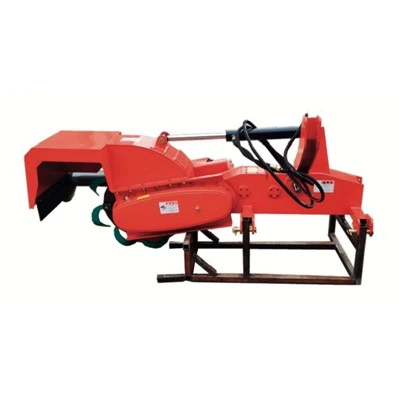
If you’re ready to explore rotary cutter attachments for your farm, or have questions about matching one to your tractor and needs, we’d love to chat. Reach out to our team to discuss your project, compare models, and find the right Farm Tractor Attachment for you.
Crawler Tractor References
- USDA Natural Resources Conservation Service. (2021). Farm Equipment Guide: Rotary Cutters and Brush Mowers. U.S. Department of Agriculture.
- National Ag Safety Database. (2022). Rotary Cutter Safety Best Practices. Central States Center for Agricultural Safety and Health.
- American Society of Agricultural and Biological Engineers. (2020). Performance Standards for Rotary Mower Attachments for Farm Tractors. ASABE Standards.
- Farm Equipment Manufacturers Association. (2021). 2021 Farm Attachment Market Report: Rotary Cutters. FEMA Publications.
- University of California Agriculture and Natural Resources. (2022). Managing Brush and Overgrown Vegetation on Small Farms. UC ANR Publication.
Huzhou Liangyi Agro Machinery Co., Ltd.
As one of the most professional farm tractor attachments manufacturers and suppliers in China, we have world-leading production equipment and strong manufacturing capabilities. Please rest assured to wholesale advanced farm tractor attachments from our factory. Contact us for more cheap products.
Address: High-Tech Industrial Zone, Huzhou City, Zhejiang Province, China
E-mail: Liangyi_agro@126.Com
WebSite: https://www.cnliangyi-agro.com/
